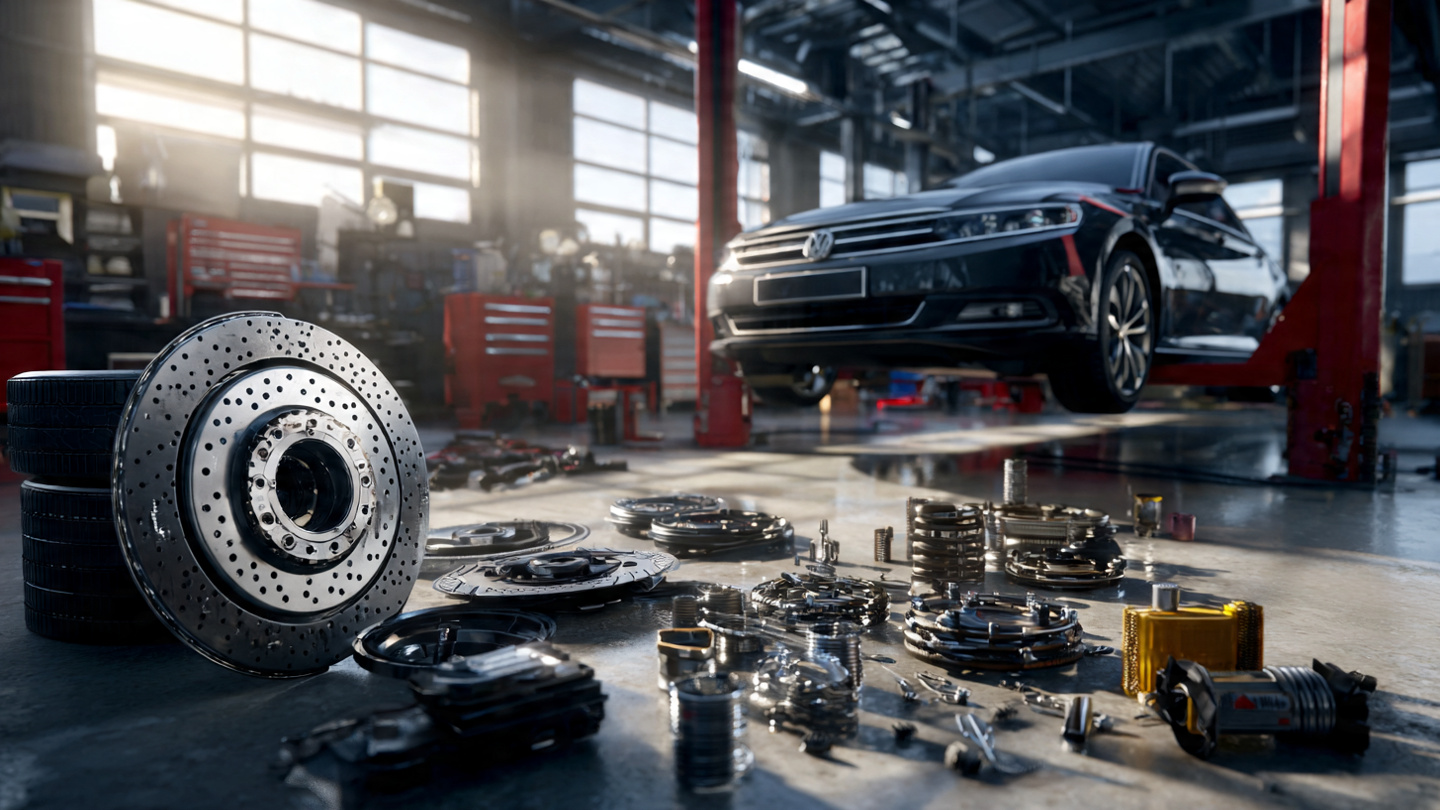
Tires are the most safety-critical component of your car — they affect braking, handling, and fuel economy. Yet they're one of the most neglected parts of regular car maintenance. A tire blowout at highway speed is one of the most dangerous situations a driver can face, and most of them are entirely preventable with a few simple checks every few weeks. This guide covers everything you need to know to keep your tires safe, save money on fuel, and get maximum life from every set.
Under-inflation is the #1 cause of tire failure. Under-inflated tires flex excessively, build up heat, and can blow out suddenly. They also reduce fuel economy by up to 3%. Use a tire pressure gauge (available for under $10) to check all four tires — including the spare — every two weeks or before long trips.
Do not use the maximum PSI printed on the tire sidewall — that's the tire's maximum capacity, not the recommended pressure. Find your car's correct tire pressure on the sticker inside the driver's door jamb or in your owner's manual. Front and rear tires often have different recommended pressures.
Tire pressure increases as tires heat up from driving. Always check tire pressure when tires are 'cold' — meaning the car has been parked for at least 3 hours or driven less than a mile at low speed. A morning check before your first drive gives the most accurate reading.
Insufficient tread depth dramatically increases stopping distance, especially in wet conditions. Insert a quarter into a tread groove with Washington's head pointing down. If you can see the top of his head, your tread is below 2/32 inch — legally worn out in most states. Time for new tires.
Uneven tread wear tells a story: wear on both edges means under-inflation; wear in the center means over-inflation; wear on one side means your car is out of alignment. Cupping or scalloping suggests worn shocks or struts. Each pattern points to a specific fix — don't ignore them.
Front tires typically wear faster than rear tires, especially on front-wheel-drive cars. Rotating tires regularly equalizes wear and extends the life of the full set by tens of thousands of miles. Most tire shops include rotation for free with an oil change.
If your car pulls to one side, your steering wheel is off-center, or you notice rapid or uneven tire wear, your wheels are likely out of alignment. A wheel alignment costs $80–$150 but saves far more in premature tire replacement and improves handling and fuel economy.
Before or after a drive, do a quick visual check of all four tires. Look for nails, screws, or debris embedded in the tread; bulges or blisters on the sidewall (these are dangerous — replace immediately); and any deep cuts or cracks. A slow leak from a nail can be repaired cheaply; a sidewall bulge cannot.
A bulge or bubble on the sidewall of a tire is a sign of internal structural damage — the layers of the tire are separating. This tire can fail at any moment, especially at highway speed. Do not drive on it. Replace it immediately or call for roadside assistance.
Keep a portable tire inflator in your car at all times — they cost $25–$40 and plug into your 12V outlet. If you find a tire low in a parking lot, you can inflate it on the spot rather than driving on it and causing damage to the rim or worse.
Fill out one form and Carofix contacts trusted mechanics and service vendors directly on your behalf — no phone calls, no stress.
🚀 Get Help Now — It's Free